
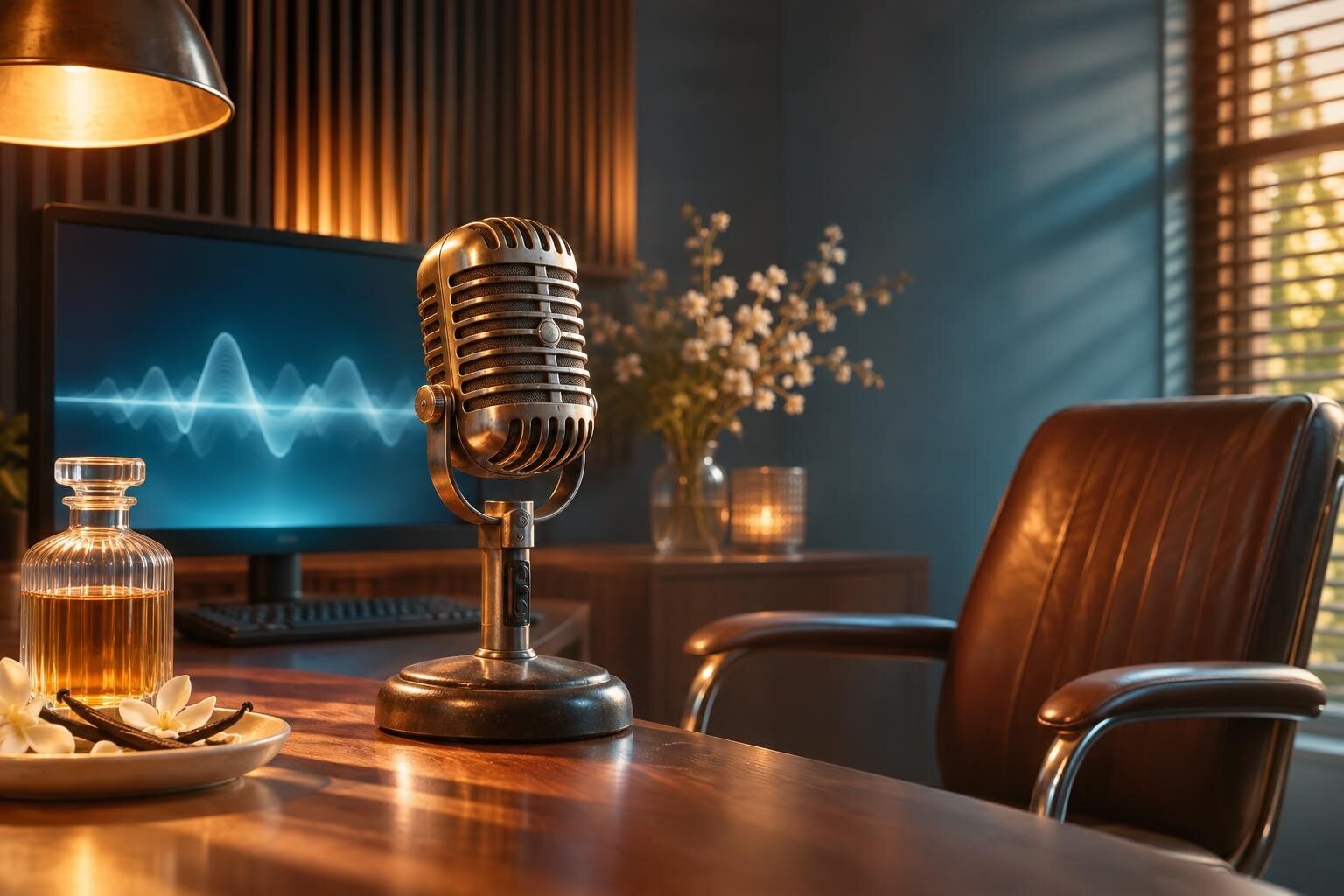
If you listen to The Daily Atomizer on the way to work, you know Nate, who reads the news, and Ava, who brings you the deals and what’s hot. If you’ve taken a lesson in The School, you know Owen and Claire, who trade off teaching it. And on Thursdays, and in our special reports, you hear Marcus on the business desk. There’s one thing you should know about all five of them: none of them is a person. They are AI voices, and we say so beside every player on this site.
We could have kept quiet about it. Plenty of outfits do. We would rather tell you plainly, and then tell you why we think it’s good news.
The voices are new. The standards are old-fashioned on purpose.
Why the voices are AI
A morning paper is only worth anything if it’s there in the morning. Ours goes up before five o’clock Central every day, weekends included, so it is waiting while you shave, pour the coffee or back out of the driveway. A human crew could do that, but not on a new paper’s budget, and not seven days a week without missing one. Our hosts don’t sleep in, don’t lose their voices to a February cold, and keep the same easy pace on the four-hundredth episode as on the first.
AI voices also let the paper sound like more than one person. News and deals land differently when two people share the desk, and a lesson sticks better when two teachers trade off. So the morning briefing has two hosts, every lesson in The School gets its own full episode instead of a summary, and the business of fragrance gets a voice of its own in Market Watch.
The research behind the voices
AI does more here than read. The stories themselves are researched and written with AI tools, under rules CryoGear set and holds them to. Those rules exist because AI can be confidently wrong, the same way people can, and the fix is the one good newsrooms have always used: show your work.
- Every story ends with its sources, linked, so you can check us.
- Fragrance notes come from the brand’s own page. When a house doesn’t publish them, we use Fragrantica or Parfumo and say so.
- Prices are checked the morning of the edition, and the story tells you when.
- Rumors are labeled as rumors. Nothing gets called “the first” or “the only” until we’ve checked.
- Every sentence is written fresh. We don’t lift other writers’ work, and a short quote always gets its credit.
- The School teaches with bottles you can actually find, the ones you’ve smelled at a counter or on a friend, not unobtainable exclusives.
We will still get things wrong now and then, and an AI voice will occasionally trip over a French name. When it happens, tell us at [email protected] and we’ll fix it.
Why we’re looking forward to what comes next
A few years ago, a daily fragrance paper with its own morning show would have needed a studio, a staff and a budget to match. Now CryoGear can put one out every morning from Saint Cloud, Minnesota. That’s the part that excites us. The same tools keep getting better, and we expect to use them to do more for you: answer your questions on the air, read your letters, and cover more of the fragrance world each morning.
What won’t change is the job: tell you what’s new in fragrance, where to find a good deal, and how it all works, honestly and well. The voices are new. The standards are old-fashioned on purpose.
Keep reading
New Talent · Nov 23
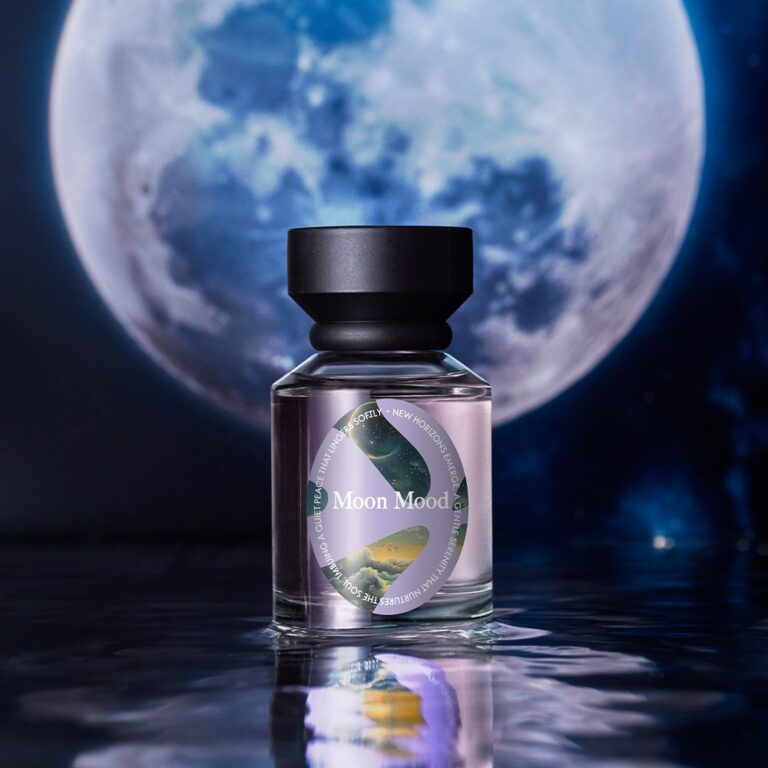
Oriflame's Student Perfumers Finish the Job: Prima Vanilla and Moon Mood Complete Top Scents

Back From the Vault · Nov 22
Kim Kardashian Promises a Bride One More Bottle of KKW Gardenia

Trade Show · Nov 22