
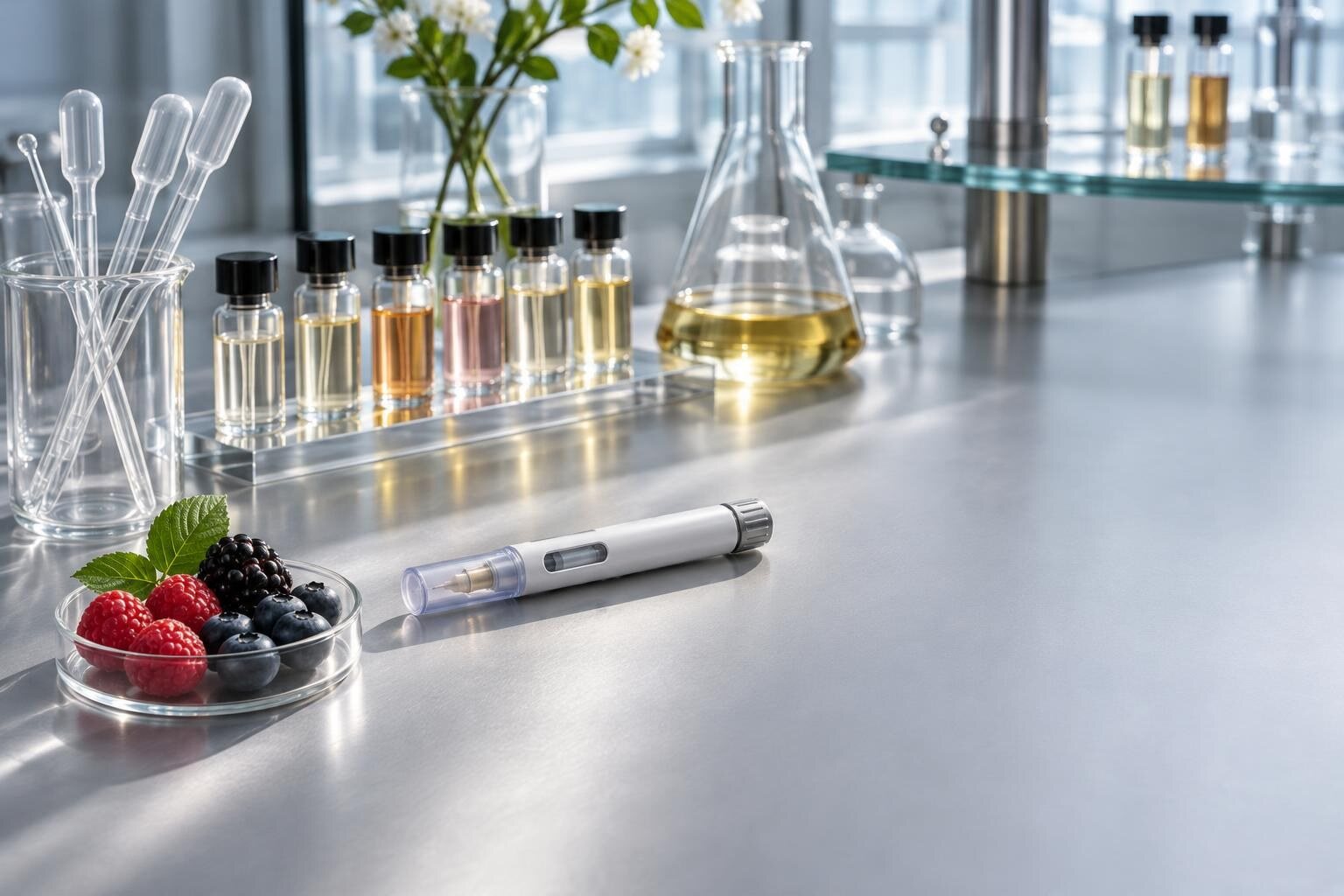
The most interesting perfume research of the week did not come from a perfume house. It came from Givaudan, the Swiss company that makes the scents inside a large share of the bottles you know, and it concerns a drug most people associate with the pharmacy rather than the perfume counter.
On Monday, the trade journal Premium Beauty News reported on The New Desire, an exhibition at Givaudan’s Digital Factory in Paris built around one question: what happens to beauty shopping when a growing slice of the population is taking GLP-1 medicines such as Ozempic, Wegovy and Mounjaro?
If a dessert is off the menu, a dessert you can wear may not be.
The numbers on the wall
According to the figures Givaudan put on display, the share of American adults using these drugs to lose weight climbed from 3 percent in 2024 to 11 percent this year. The exhibition also cited a NielsenIQ panel of American households showing money moving away from food and toward beauty, sports and travel, with spending on fine fragrance in those homes up 97 percent.
That fits an earlier finding. In October, Reuters reported that a NielsenIQ study found GLP-1 users spending 26 percent more on fragrance than the typical shopper. The two figures measure different things, so treat them as two snapshots of the same direction rather than one precise number.
Why gourmands are in the middle of it
Givaudan’s social-listening work suggests people on these drugs lean toward two kinds of scent: fresh ones and gourmands, the dessert-like family built on vanilla, caramel and cocoa. The theory, put plainly by a Givaudan marketing chief to Reuters, is that people still want to enjoy the flavors they no longer eat. If a dessert is off the menu, a dessert you can wear may not be.
There is a wrinkle. Nausea is a common side effect of the drugs, and Givaudan says that may turn some people off certain sweet notes. More studies are due by the end of the year, and the scientists Reuters spoke to agreed the evidence on smell itself is still early.
Meanwhile the gourmand family keeps growing on its own. Reuters, citing the research firm Mintel, reported that gourmands now account for 24 percent of new fragrance launches, up from 9 percent two years earlier, second only to florals.
What it means for you
Expect more dessert notes on the shelf, and expect them to get stranger: Givaudan has talked up creamy notes such as banana, whipped cream and warm milk as the next wave. Also expect more talk of “functional” fragrance; Givaudan used the show to promote its own technologies aimed at mood and sleep. Those claims come from the company selling them, and they deserve the same skepticism you would bring to any wellness promise on a label.
Sources
More on Givaudan 7
Further reading & listening
Keep reading
New Talent · Nov 23
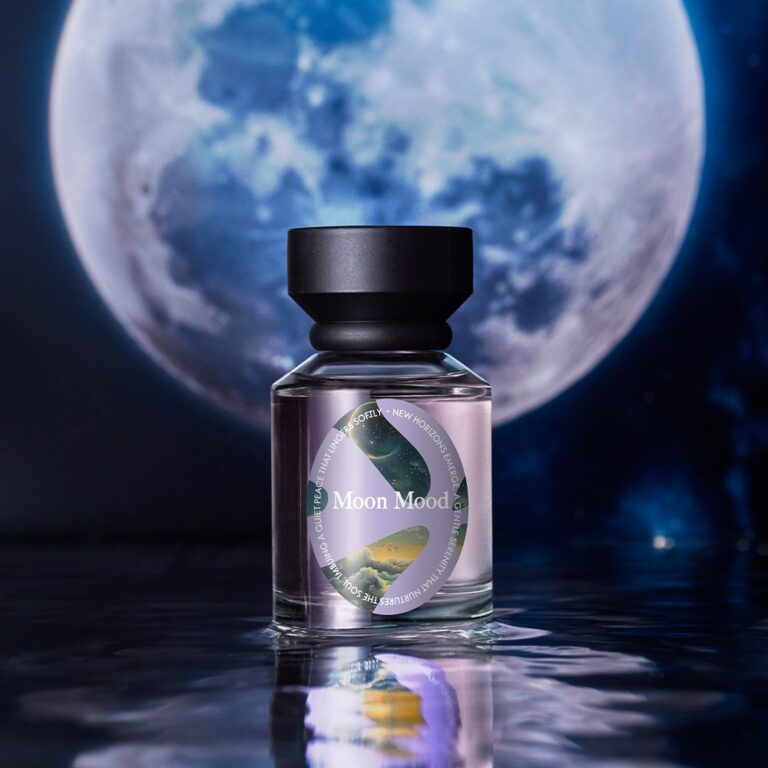
Oriflame's Student Perfumers Finish the Job: Prima Vanilla and Moon Mood Complete Top Scents

Back From the Vault · Nov 22
Kim Kardashian Promises a Bride One More Bottle of KKW Gardenia

Trade Show · Nov 22