
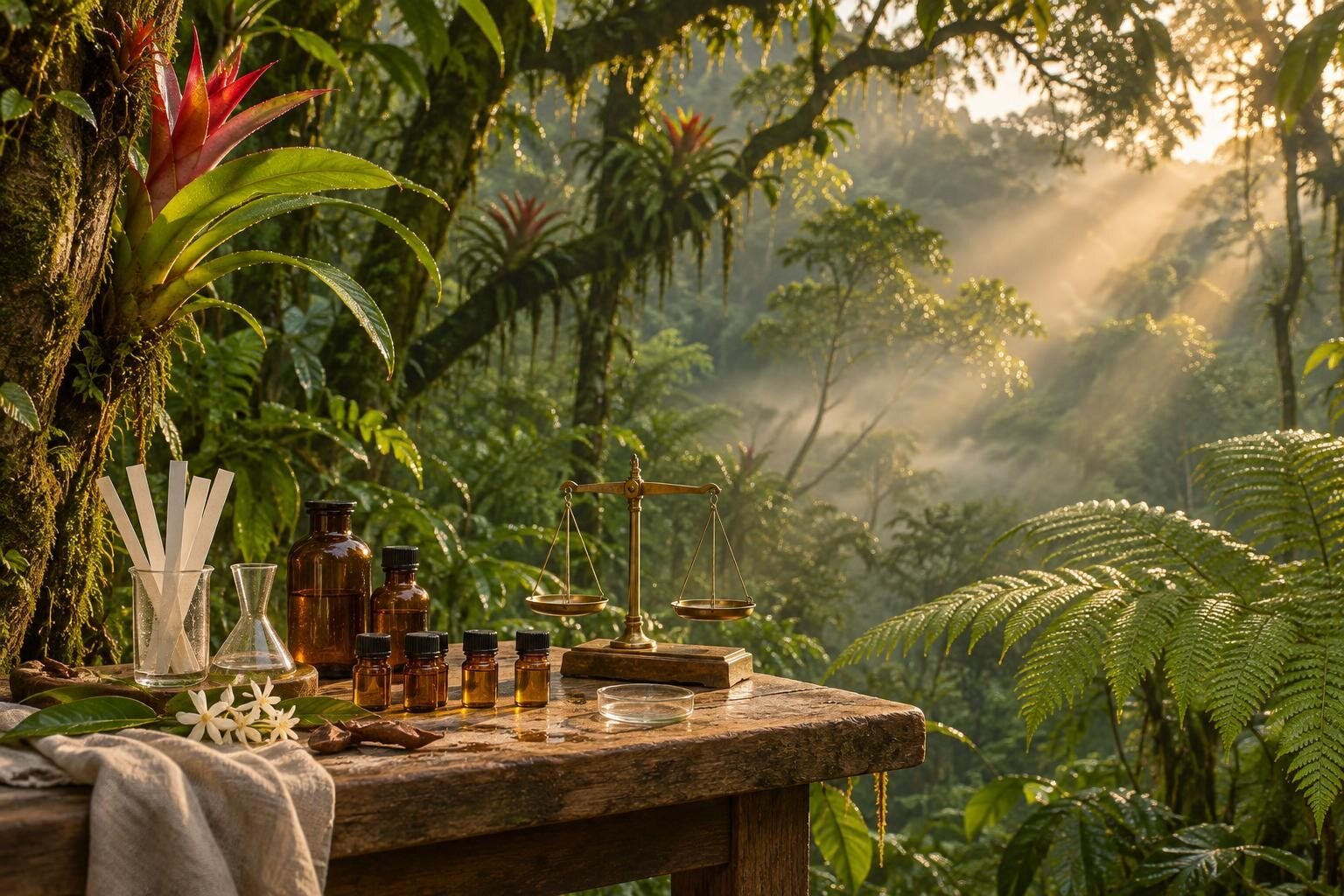
Some of the scents in tomorrow’s perfumes may come from plants that have never been smelled outside a Brazilian forest. IFF, one of the world’s largest makers of fragrance ingredients, opened what it calls its first Forest Lab on Wednesday, November 18, inside Legado das Águas, the largest private reserve of Brazil’s Atlantic Forest.
The reserve covers about 31,000 hectares, roughly 120 square miles, and holds close to 1,000 plant species. It is run by Reservas Votorantim, the conservation arm of the Brazilian investment group Votorantim. The two companies first announced their partnership in August 2025; this week’s opening puts scientists and perfumers on site.
The point is to smell the plant while it is still a plant.
What they have found so far
According to IFF, researchers have already picked out 33 native species that could become new perfume or beauty ingredients. They have captured the scent of 27 plants directly from the living plant, without cutting it, and eight of those scents have been rebuilt in the lab with IFF’s own capture technology, which it calls Livings. Those eight will soon be available for IFF perfumers to study. The point is to smell the plant while it is still a plant, rather than after it has been picked, dried or distilled, when much of the scent can change.
IFF Scent president Ana Paula Mendonça noted that about two in five of the Atlantic Forest’s plant species grow nowhere else on Earth. The company says the lab will study flowers, leaves, bark, roots, fruits and seeds, and that it will work with the reserve on sourcing models tied to conservation.
Why it matters to you
You won’t find a bottle labeled “Atlantic Forest” this winter. Ingredient discovery is slow, and new materials typically spend years in testing before a perfumer can use them in a commercial launch. But companies like IFF supply the building blocks behind many of the perfumes on department store shelves, so what goes into their libraries now shapes what you smell later. IFF has not named any brands or launches that will use these scents.
It also fits a trend we have followed in this paper: scent capture lets perfumers study a rare plant without harvesting it, and a recreated scent can travel to a lab in Paris or New York while the plant stays in the ground.
Sources
More on IFF 3
Further reading & listening
Keep reading
New Talent · Nov 23
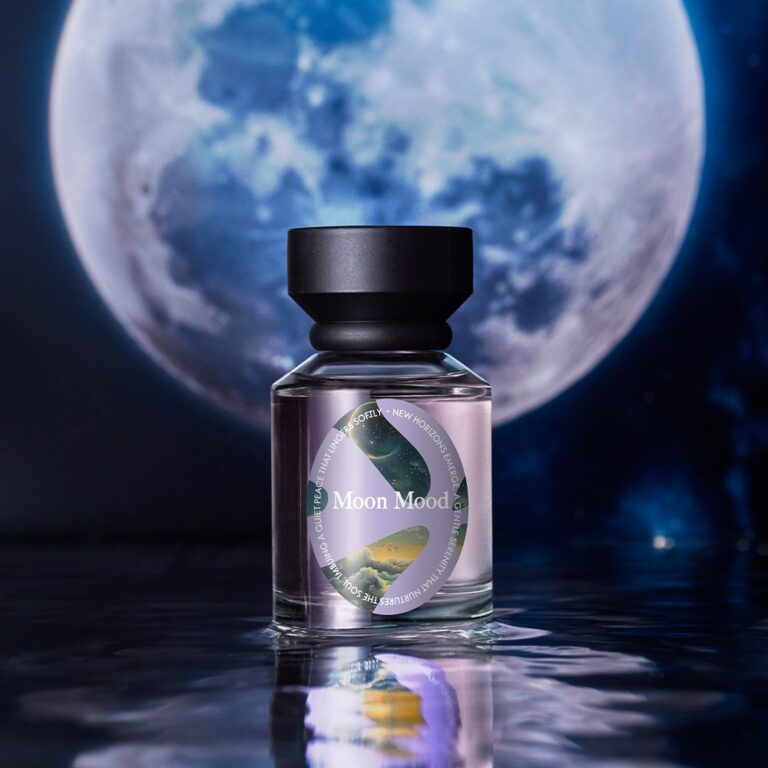
Oriflame's Student Perfumers Finish the Job: Prima Vanilla and Moon Mood Complete Top Scents
Back From the Vault · Nov 22
Kim Kardashian Promises a Bride One More Bottle of KKW Gardenia

Trade Show · Nov 22